

Community & Collaboration
May 19, 2026
On the Road with Ally
# Accessibility
# Ally
University of California, Berkeley and University of Phoenix

Katie Grennell, PhD.
On the Road with Ally: University of California, Berkeley and University of Phoenix
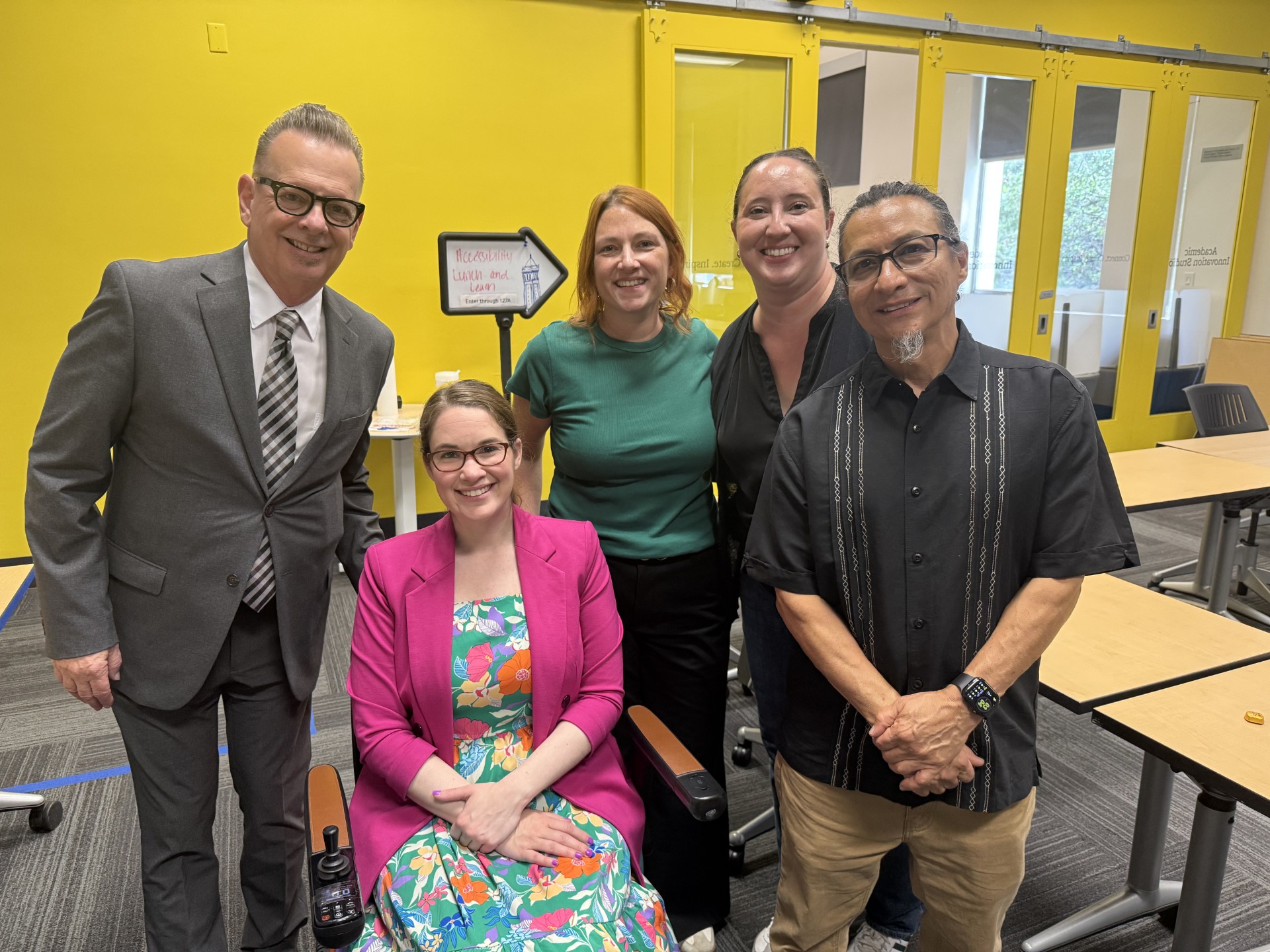
Accessibility work is always stronger when it’s grounded in community—and there was no better place to begin our Ally roadshow earlier this spring than the University of California, Berkeley. As the birthplace of the modern disability rights movement, Berkeley set a meaningful and energizing tone for conversations centered on access, inclusion, and impact.
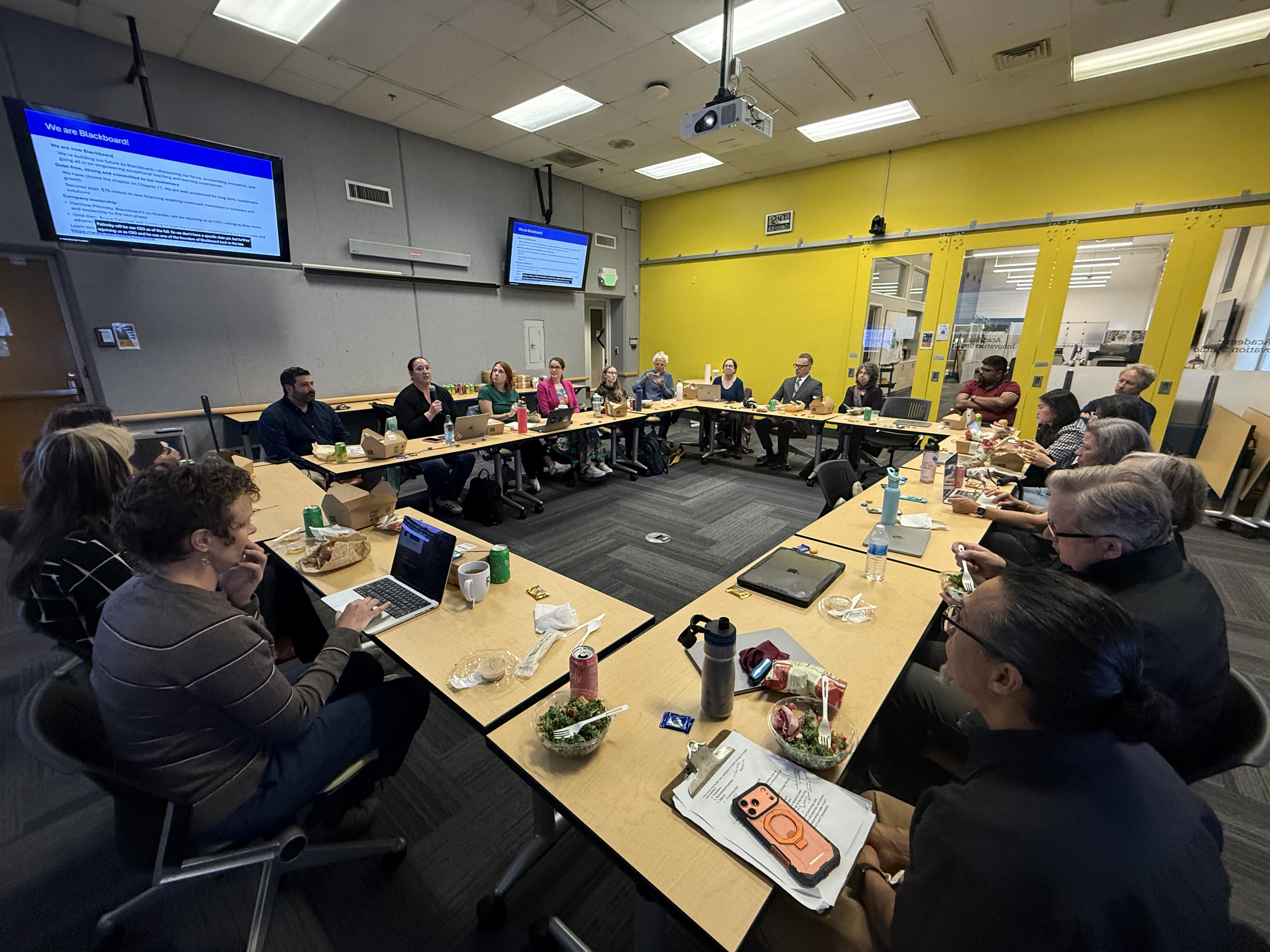
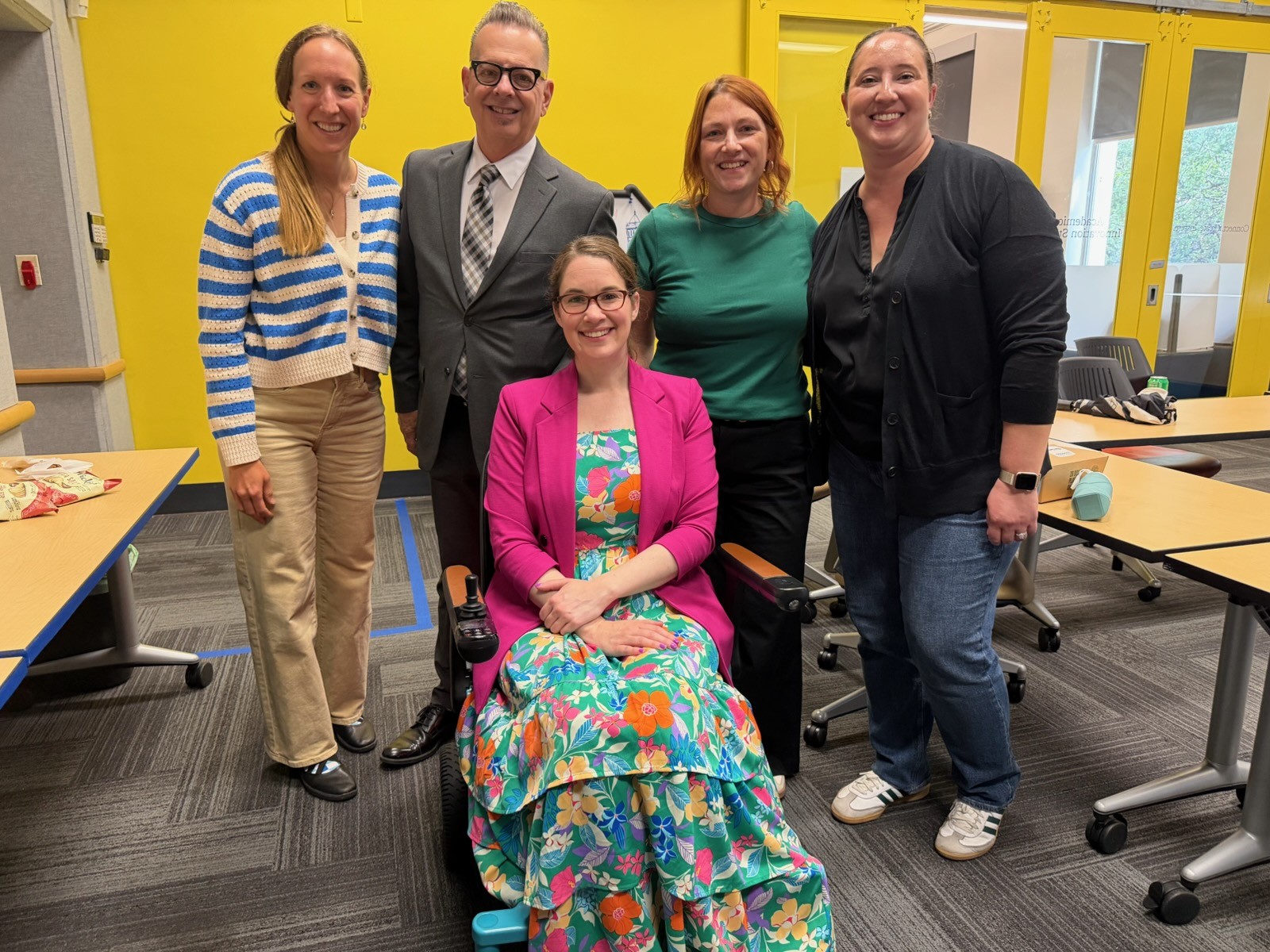
The Ally roadshow was designed as a focused, in‑person opportunity to connect with institutions, share updates, and—most importantly—learn directly from the people doing accessibility work every day. Our stops at UC Berkeley and the University of Phoenix brought together educators, administrators, and accessibility leaders around a shared goal: creating more inclusive learning experiences at scale. Members of Blackboard’s sales, accessibility, and Ally teams joined each stop of the roadshow, alongside colleagues from neighboring institutions, creating space for cross‑functional and cross‑institution conversations about accessibility in practice.
Our kickoff at UC Berkeley carried both historical and present‑day significance. The influence of disability rights leaders like Judy Heumann and Ed Roberts remains deeply felt, adding resonance to our conversations with UC Berkeley staff and representatives from surrounding institutions.
Together, we shared brief updates on how UC Berkeley and regional institutions are using Ally today, along with Blackboard news and a look at ongoing Ally resources and community engagement initiatives. The heart of the conversation, however, was a panel discussion with Ally users and campus leaders, focused on how accessibility work shows up in practice.
Panelists explored how Ally supports broader institutional digital accessibility strategies; how insights and data inform priorities for training, support, and resource development; and what feedback from faculty and students reveals about changes in inclusive course design and the learning experience. The discussion also affirmed that accessibility tools are most effective when they support human agency, amplifying lived experience and informed decision‑making rather than replacing them.
The conversations at Berkeley underscored the power of gathering accessibility practitioners in the same space. Attendee Allison Czapracki, a digital academic leader at a larger public university shared:
“This lunch sparked a fruitful conversation among higher‑education colleagues advancing digital accessibility, from faculty making course materials more accessible to staff supporting campuswide efforts and offered a timely opportunity to explore how California institutions are approaching this work. I hope this discussion paves the way for deeper collaboration across campus departments, units, and other higher education institutions as we work together to solve our most pressing a11y challenges.”
Another attendee echoed this sentiment, highlighting the value of cross-institution dialogue: “I had the opportunity to represent UCLA at a Lunch & Learn hosted at UC Berkeley with the Blackboard Ally team, alongside colleagues from across the UC system, including faculty, academic departments, educational technologists, and accessibility specialists. The discussion on faculty awareness, meaningful tool adoption, and practical remediation support for non-compliant content was both candid and energizing. Participants left with a clearer understanding of the accessibility landscape, and a shared sense of responsibility to translate that understanding into a call to action across our campuses.”

Continuing the Conversation at the University of Phoenix
From cool, breezy Berkeley, California, we headed to sunny Phoenix, Arizona for the next stop on the Ally roadshow.
At the University of Phoenix, we posed the same panel questions shared at our Berkeley stop, but the discussion took an organic and deeply practical turn. Panelists framed accessibility as an essential part of everyday instructional practice, focusing on how tools like Ally support people doing real work, enabling teams to embed accessibility into their workflows at scale, rather than treating it as a separate initiative.
We also spent considerable time exploring the connection between accessibility, student engagement, and retention. Panelists shared how accessible course design helps reduce barriers for learners, supports confidence and participation, and contributes to persistence, especially for the diverse and often nontraditional students the University of Phoenix serves.
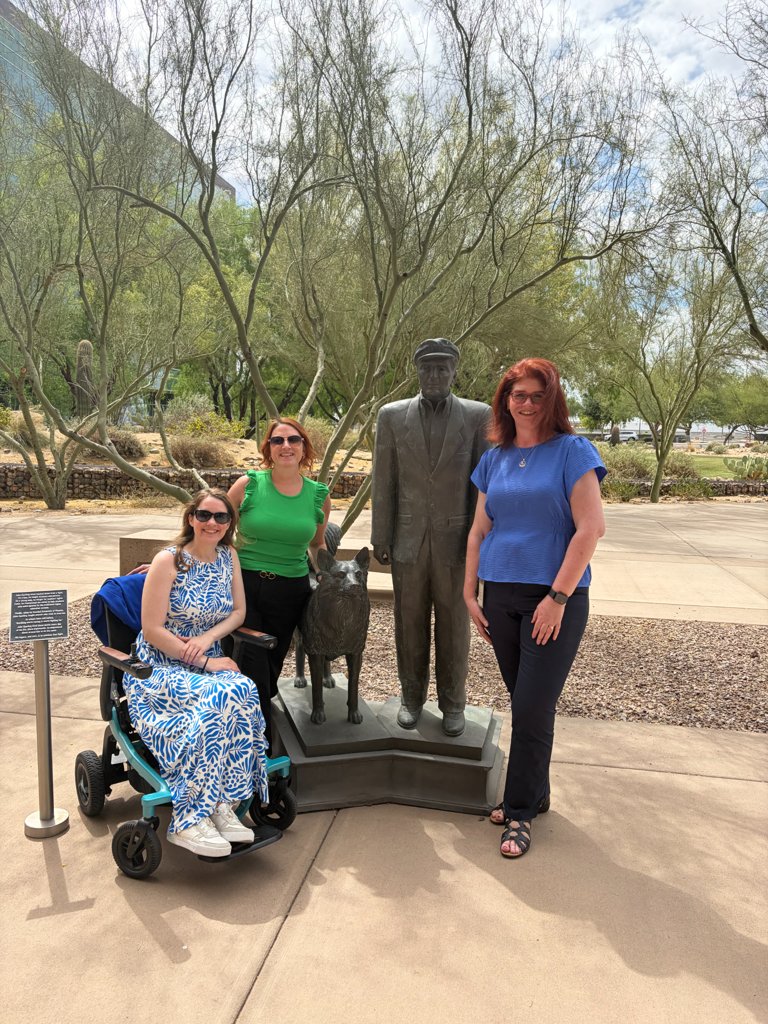
Taken together, the conversations at UC Berkeley and the University of Phoenix reinforced a shared truth: accessibility looks different across institutions, but the impact is strongest when it is embedded into everyday practice and supported by the right combination of people, tools, and insight.
Starting at Berkeley brought a sense of continuity and responsibility, connecting today’s work with the advocacy that shaped access in higher education. Continuing on to Phoenix highlighted how accessibility scales in real‑world instructional environments, and where student engagement and retention are closely tied to inclusive design.
What made the Ally roadshow especially meaningful was the opportunity for open, human conversation. Hearing directly from educators and leaders, asking the same questions in different contexts, and learning together across roles reminded us that accessibility progress isn’t driven by technology alone, it’s driven by collaboration.
We’re grateful to everyone who joined us along the way and look forward to continuing these conversations as we work together to make digital learning more inclusive, effective, and equitable.
Comments (0)
Popular

Dive in
Related
Blog
Three Quick Accessibility Fixes to Start the Semester Strong with Ally
By Katie Grennell, PhD. • Aug 15th, 2025 • Views 307
Blog
Three Quick Accessibility Fixes to Start the Semester Strong with Ally
By Katie Grennell, PhD. • Aug 15th, 2025 • Views 307