

Thought Leadership
May 21, 2026
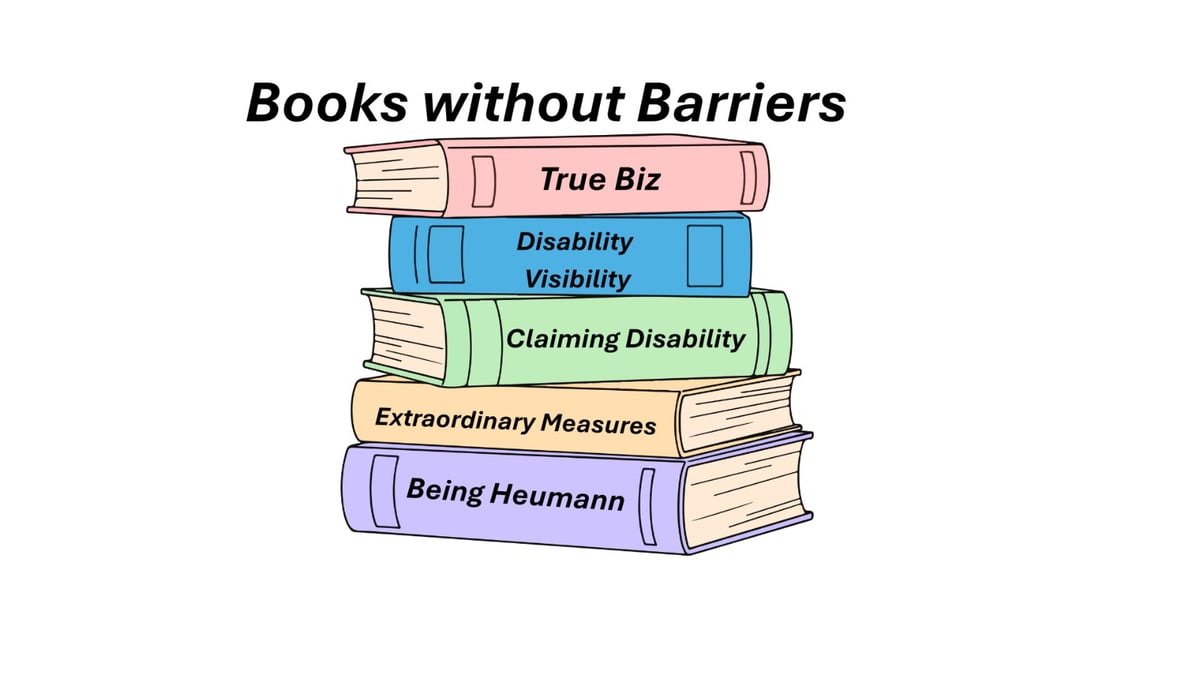
Books without Barriers
# Accessibility
# Ally
Being Heumann

Katie Grennell, PhD.
Breaking Barriers: Being Heumann
Global Accessibility Awareness Day (GAAD) asks us to start with something essential: awareness. Established to get people talking, thinking, and learning about access and inclusion, GAAD is a reminder that accessibility begins with recognizing barriers—and understanding the real impact they have on people’s lives.
That focus makes introducing Judy Heumann’s memoir, Being Heumann: An Unrepentant Memoir of a Disability Rights Activist, on this day especially fitting. Her story deepens that awareness, illustrating not just what accessibility means, but the effort and persistence behind making it visible in the first place.
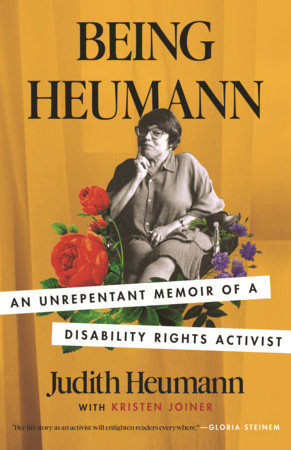
Importantly, Being Heumann refuses the familiar “overcoming” narrative. Instead, it frames disability as identity—one shaped by systemic barriers, but also rooted in culture, connection, and collective strength. Heumann’s voice is direct, thoughtful, and often wryly funny, making policy feel personal and history feel immediate without ever losing sight of lived experience.
Judy Heumann, born in 1947 in Brooklyn to German Jewish immigrants, became one of the most influential leaders in the disability rights movement. After contracting polio at age two and becoming a lifelong wheelchair user, she faced early discrimination—most notably being denied entry to kindergarten because her wheelchair was considered a “fire hazard.” With her mother’s advocacy, she was able to attend public school, an experience that helped spark her lifelong commitment to inclusion.
She went on to challenge systemic barriers at every turn, successfully suing the New York Board of Education after being denied a teaching license and becoming the first wheelchair user to teach in the state. That victory helped launch decades of advocacy, including co-founding Disabled in Action and leading the 504 Sit-In. Her influence extended globally through her work on major disability rights legislation like the ADA and IDEA, as well as her roles in government, including being appointed by President Obama as the first Special Advisor on International Disability Rights for the U.S. State Department in 2010.
In Being Heumann, she traces this journey from personal experiences of exclusion to her role as a central figure in the disability rights movement. The memoir weaves together her life story with the broader fight for civil rights, illustrating how individual moments of discrimination are part of larger systemic barriers, many of which persist, as well as intersect, today.
A major focus of the book is the power of collective action. Heumann recounts pivotal moments like the 504 Sit-In of 1977, where disabled activists occupied a federal building in San Francisco for nearly a month to demand enforcement of the Rehabilitation Act of 1973—a landmark civil rights law that prohibited disability-based discrimination in federally funded programs. At the center of the protest was Section 504, a key provision requiring institutions like schools, hospitals, and universities to provide equal access and accommodations so people with disabilities could fully participate. Heumann was a central leader in this movement, her advocacy was key in forcing the government to issue the regulations that made the law enforceable, directly shaping how 504 protections are implemented today. In education, that legacy lives on through 504 plans, which ensure students with disabilities receive the accommodations they need to learn alongside their peers. The 504 Sit-In itself was part of a larger strategy of nonviolent protest, as sit-ins and teach-ins were common nonviolent protest tactics at the time, drawing from broader civil rights movements; activists used them to educate the public while applying sustained pressure on officials in a nonviolent manner.
The memoir also highlights key themes that resonate throughout the Books Without Barriers series, and also with the mission of GAAD:
- Access as a civil right, not a privilege
- The impact of representation and visibility
- The importance of community in creating change
- The ongoing nature of accessibility work
These themes aren’t abstract—they show up again and again in Heumann’s story, grounding the book in lived experience and collective action. That’s what gives Being Heumann its staying power. It’s not just a history lesson, it’s a challenge. It asks readers to look around—at buildings, at websites, at classrooms, at assumptions—and notice where access still falls short. And more importantly, it asks what we’re willing to do about it.
Global Accessibility Awareness Day is not just about noticing barriers—it’s an invitation to do something about them. Being Heumann meets that call directly. Awareness isn’t the end goal; it’s the starting point. As Heumann’s life makes clear, meaningful change happens when awareness becomes action—when we move from recognizing barriers to dismantling them, and when accessibility is treated not as an afterthought, but as a fundamental expectation.
Comments (0)
Popular

Dive in